Bring the dead home
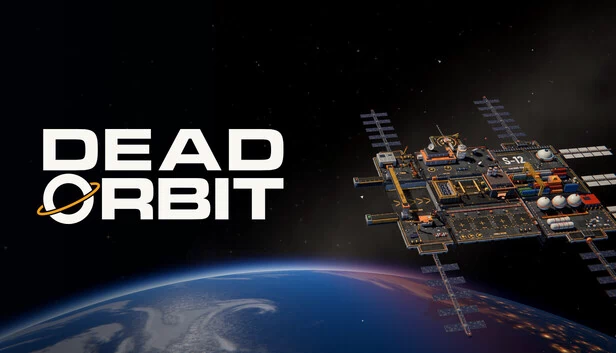
Dead satellites, spent rocket stages and old station modules circle the Earth. In DEAD ORBIT, a calm space-salvage game, you fly a small tug out of S-12, a recycling station in low orbit, and bring the wrecks home one at a time.
Plot it. Let it fly.
Open the orbit planner and pick a wreck. It shows the curved transfer, the trip time, and the fuel and oxygen you will have left. Press ENTER and the autopilot flies it, then holds beside the tumbling wreck. Once it is hooked, one more order tows it home.
Tools
Harpoon a wreck, reel the line taut with the winch and tow. Hook it badly and it can spin you, snap the rope or tear a module off.
Cut the welds and strip the solar wings down to the core.
Fire a kit at a tumbling wreck. It clamps on, seals the gas leaks and stops the spin.
Grab a small wreck and carry it home, or push it away.
Salvage. Recycle. Rebuild.
Ease a wreck into S-12's salvage bay. The tractor field takes it, and the shredder and recycler turn it into credits. Spend them in the dock:
Tug upgrades: engine, tanks, ropes, cutter, shield.
Station modules in four slots: recycler, fuel refinery, oxygen generator, radar, repair drones.
Supplies: S-12 makes its own oxygen and fuel, slowly. Wait, or pay to fill up now.
Not worth the trip home? Push it into the atmosphere to burn up. Some contracts ask for exactly that.
Go further
Low orbit is only the beginning. Fly half an orbit to a stranded ship on the night side. Plot an Earth-Moon transfer. Nudge an asteroid off its course with a kinetic impactor, and watch a comet sweep past the station.
Keep the orbit alive
Every collision makes more debris, and more debris means more collisions. The jobs grow from your first tow to an 18-tonne rocket stage, a module breaking apart under tow and a tank venting gas. Threats fly real collision courses on a real clock. Then one day it comes: THE GREAT CASCADE. Ring S-12 with interceptor satellites and hold the line. Only your tug can stop the biggest fragments.





评论